
Largest Iron Age mound in Scandinavia was not a burial, study challenges history
TL;DR AI
2 min readKey summary
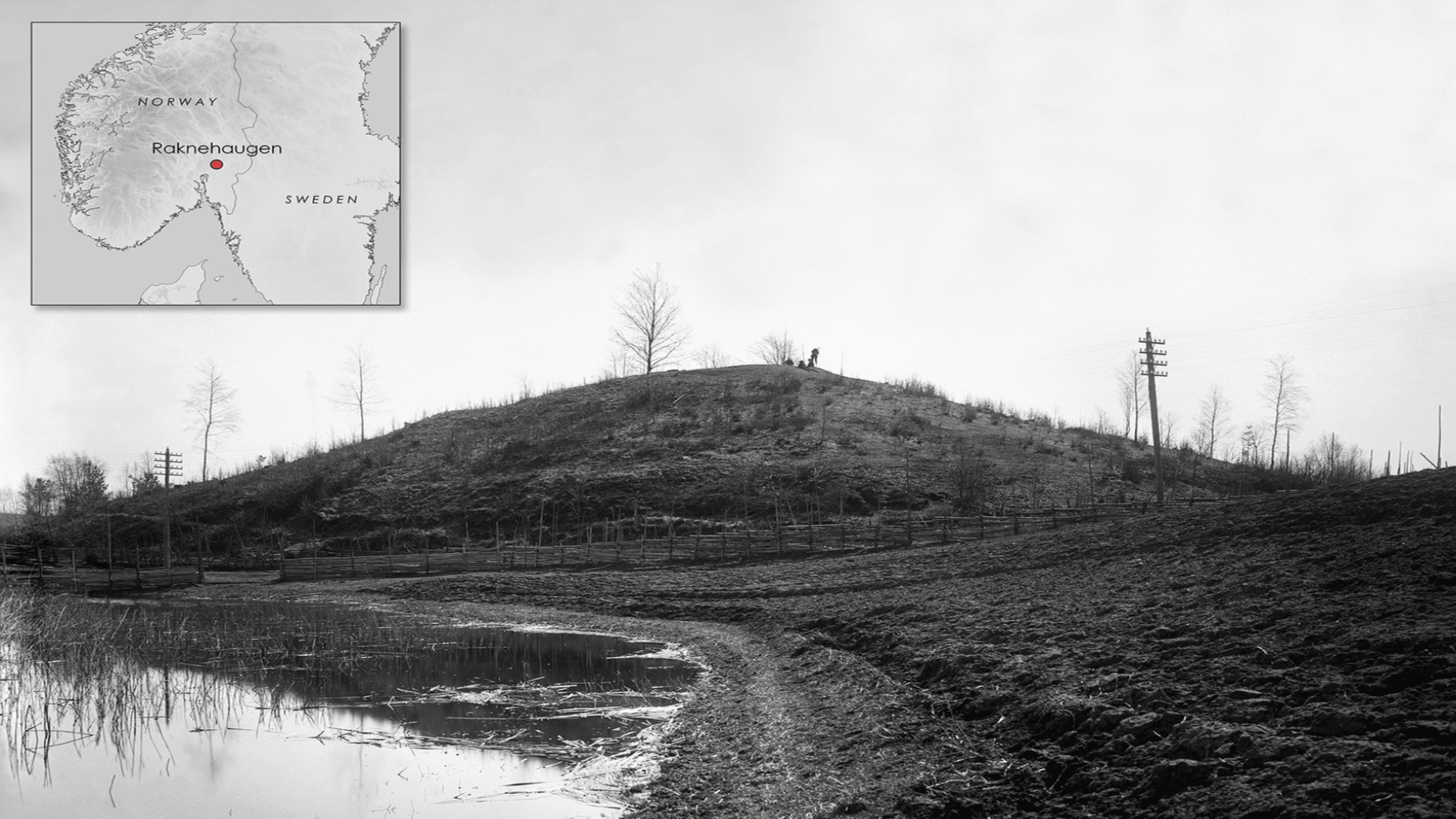
Raknehaugen is the largest prehistoric mound in Scandinavia.
Lars Gustavsen's study in the European Journal of Archaeology argues the mound was built as landslide protection rather than as a burial.
LiDAR reexamination and earlier excavations found a turf base, alternating clay and sand deposits, and a small burned layer with cremated bone fragments.
A bone from the 1940 excavation dated to 1391–1130 BCE and appears to have been deposited independently of any grave.
The mound is 42.65 feet high and 252.62 feet wide; construction included a pyramid of thin unbarked pine branches, moss and sandy clay, additional sand and clay layers, and a second timber structure using 25,000 logs.