
This 518-Million-Year-Old Creature Reveals How Spiders Got Their Bite
TL;DR AI
2 min readKey summary
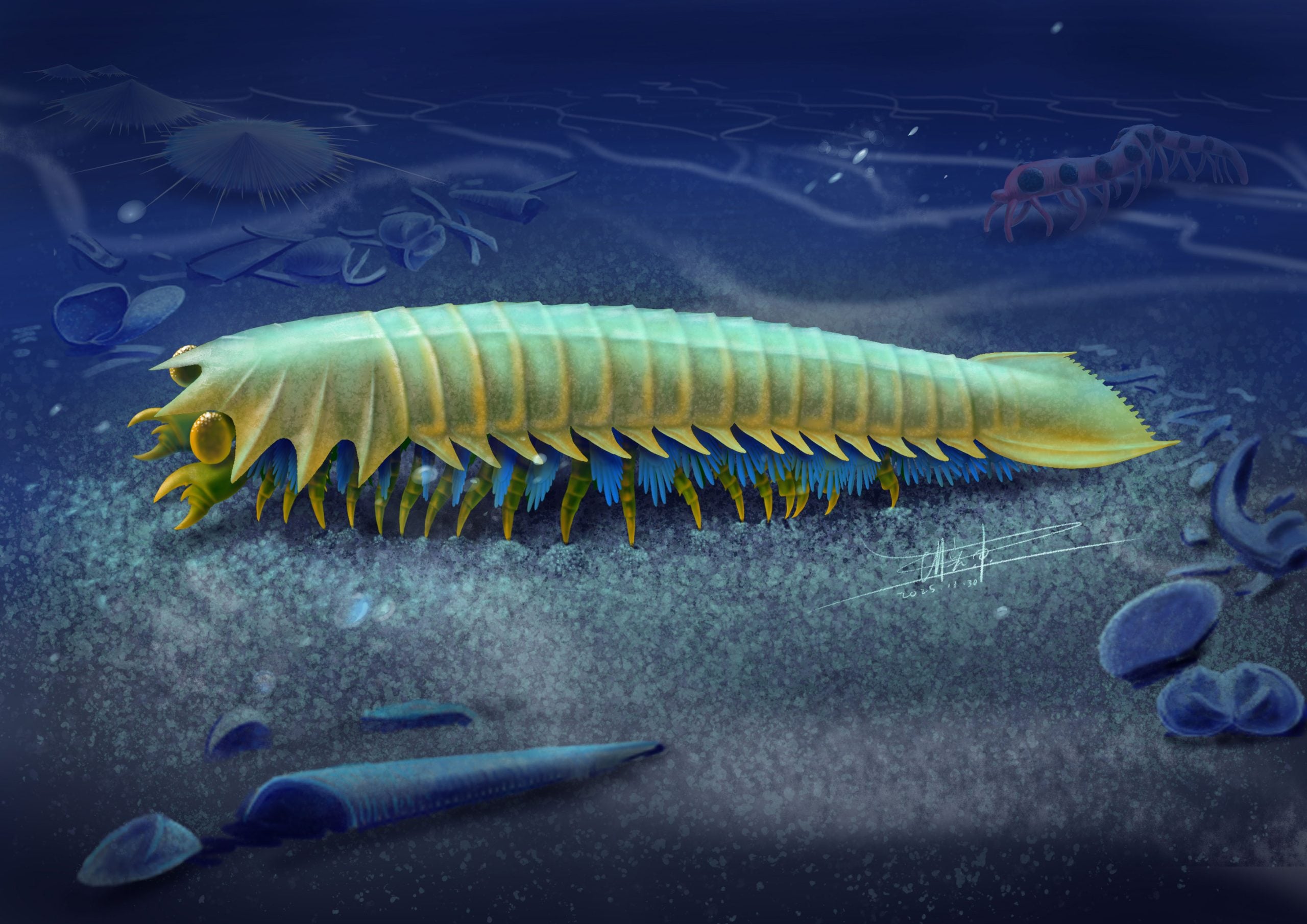
A 518-million-year-old Urokodia fossil from Chengjiang, China, has revealed hidden front appendages linked to early chelicerae.
X-ray tomography also preserved soft anatomy, including possible book gills, helping place the animal on the chelicerate family tree.
The finding offers rare direct evidence for the origin of chelicerae, the ancestral structures behind spider fangs and scorpion pincers.
It sheds light on how chelicerates evolved into today’s spiders, scorpions, ticks, horseshoe crabs, and related animals.