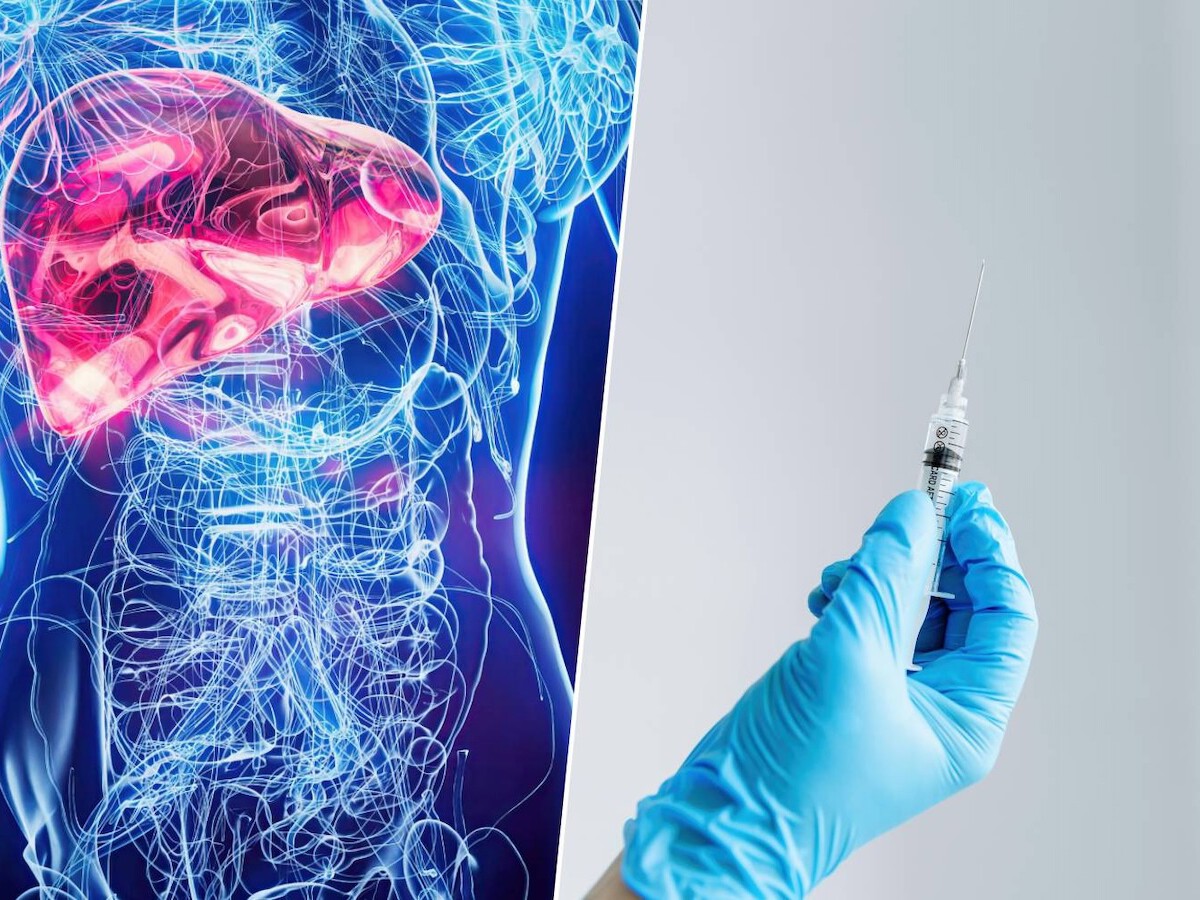
The waiting list for a liver transplant can be endless, so they’ve created a solution: injecting a miniature liver
TL;DR AI
2 min readKey summary
MIT researchers led by Sangeeta Bhatia developed injectable mini-livers for liver disease.
The grafts combine hepatocytes, hydrogel microspheres, and fibroblasts and can be placed with ultrasound guidance.
In mouse tests, the mini-livers formed blood vessels, stayed viable, and produced proteins for eight weeks.
The approach could help patients with advanced liver disease who cannot wait for a donor organ or undergo transplant surgery.
Same topic