
Tiny Divers Challenge a Major Theory About Ocean Insects
TL;DR AI
2 min readKey summary
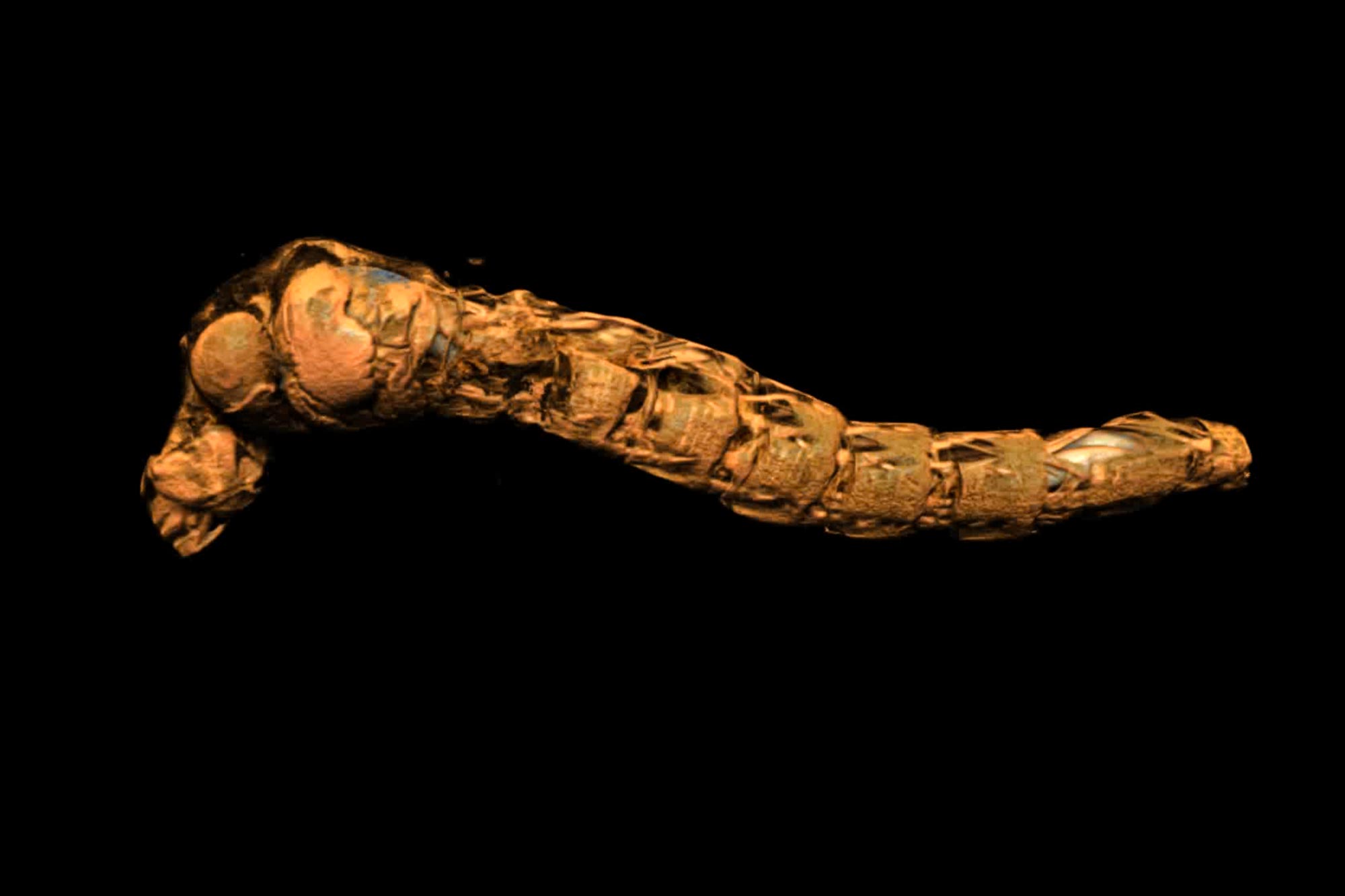
UBC researchers tracked Chaoborus edulis larvae in Lake Malawi and found their respiratory air sacs have evolved into buoyancy-control structures.
Reinforced with resilin, the sacs withstood pressures beyond 400 meters, far deeper than the larvae normally dive.
The result weakens a leading theory that deep-water pressure is why insects are rare in the open ocean.
It may also inspire pH-responsive biomaterials and soft actuators based on resilin.