
Chornobyl, 40 years later: How the world’s worst nuclear disaster shapes nuclear power today
TL;DR AI
2 min readKey summary
The 1986 Chornobyl Unit 4 accident began with a flawed safety test that, together with design weaknesses and operator actions, led to a reactor explosion and major radiation release.
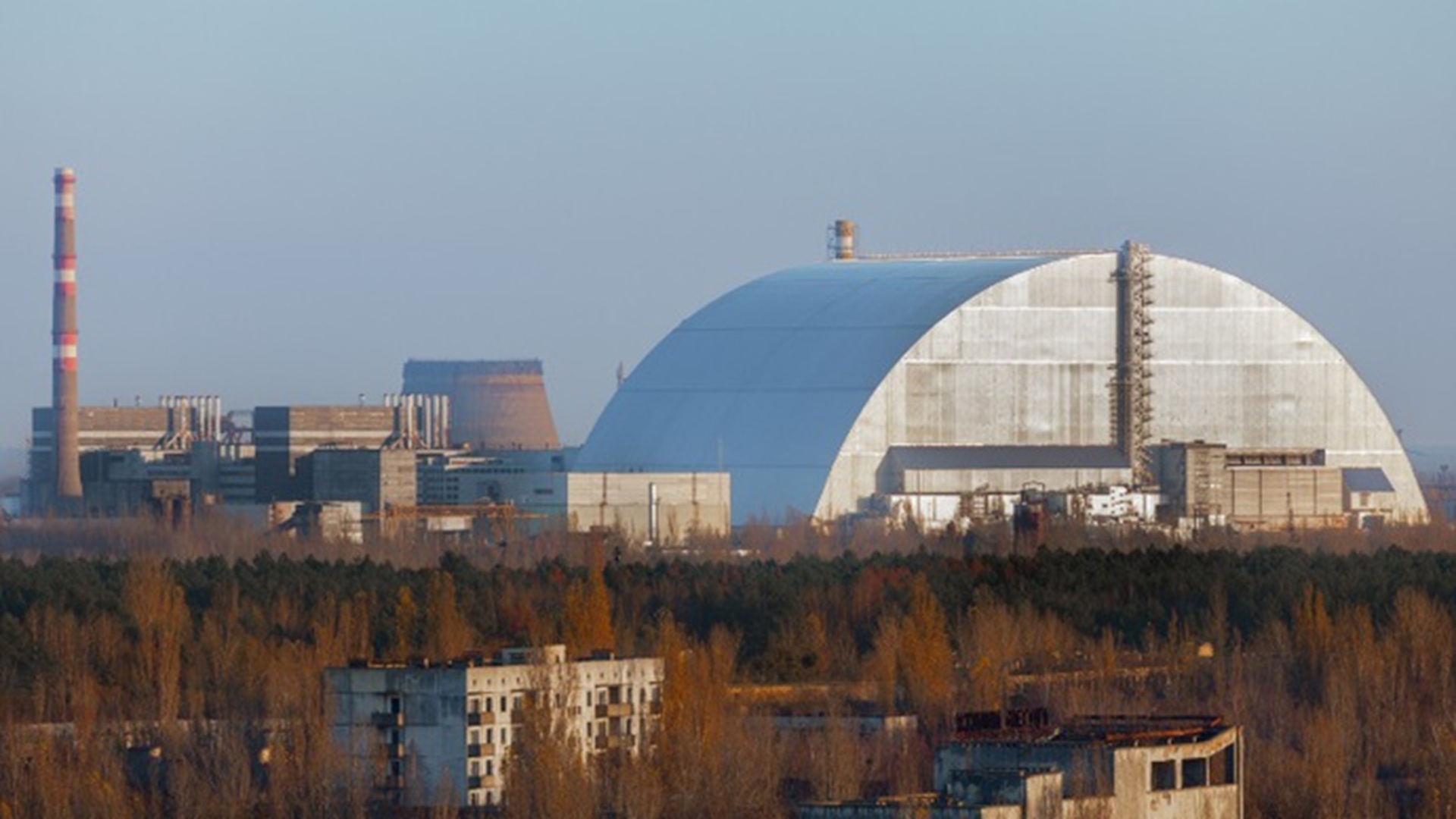
The disaster killed workers, forced the evacuation of hundreds of thousands, and left a large exclusion zone that still marks the site today.
Chornobyl exposed the dangers of the RBMK-1000 design, including the positive void coefficient, and became a global case study in nuclear safety failure.
Forty years later, it still shapes nuclear engineering, regulation, and public debate over the risks and future of atomic power.