
This Alga Rewrites the Rules of Photosynthesis To Survive in the Dark
TL;DR AI
2 min readKey summary
Researchers studied Trachydiscus minutus, a freshwater alga that thrives in low-light environments.
The alga produces a red-shifted violaxanthin–chlorophyll protein (rVCP) that absorbs far-red light using only chlorophyll a.
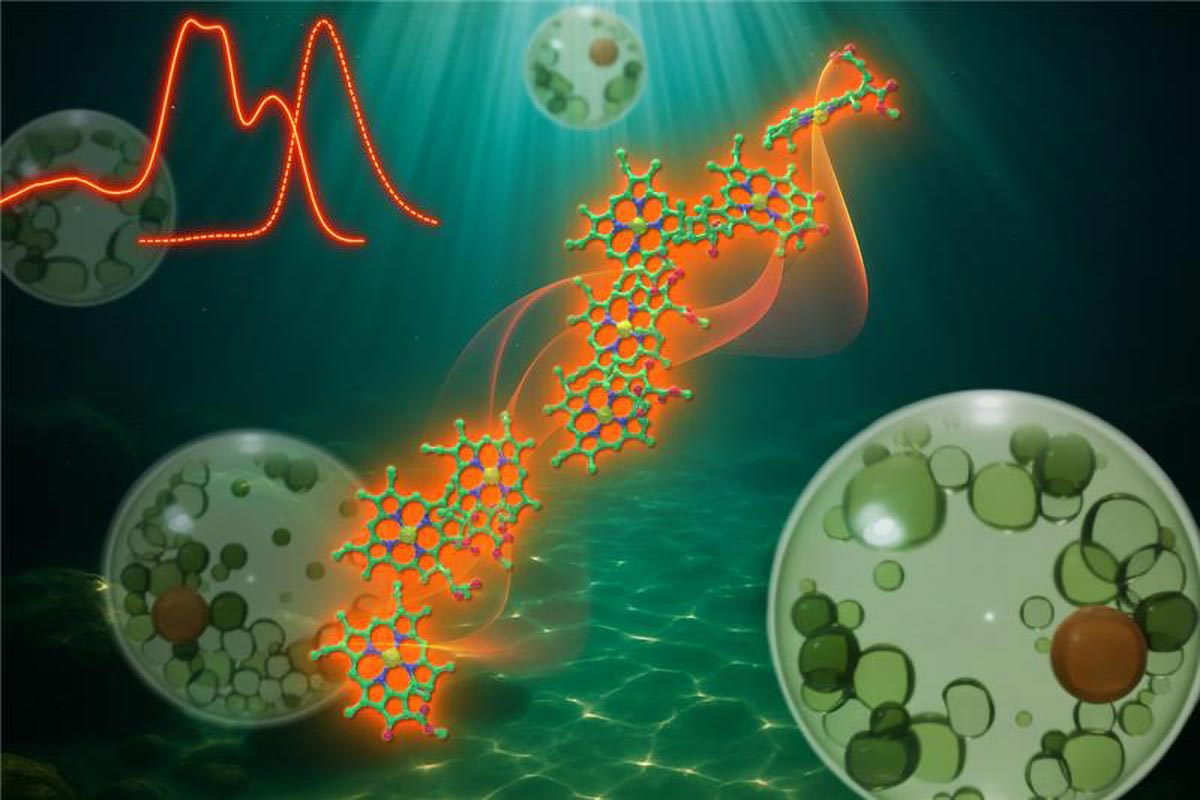
Cryo-EM at 2.4 Å showed rVCP is a tetramer of two heterodimers that packs chlorophyll into large clusters.
Quantum chemical analysis indicates energy delocalization across multiple chlorophylls enables far-red absorption.
The structure may inform bioenergy and engineered photosynthetic designs that use far-red light.