
DNA architecture: Researchers build self-organizing pores for artificial cells
TL;DR AI
2 min readKey summary
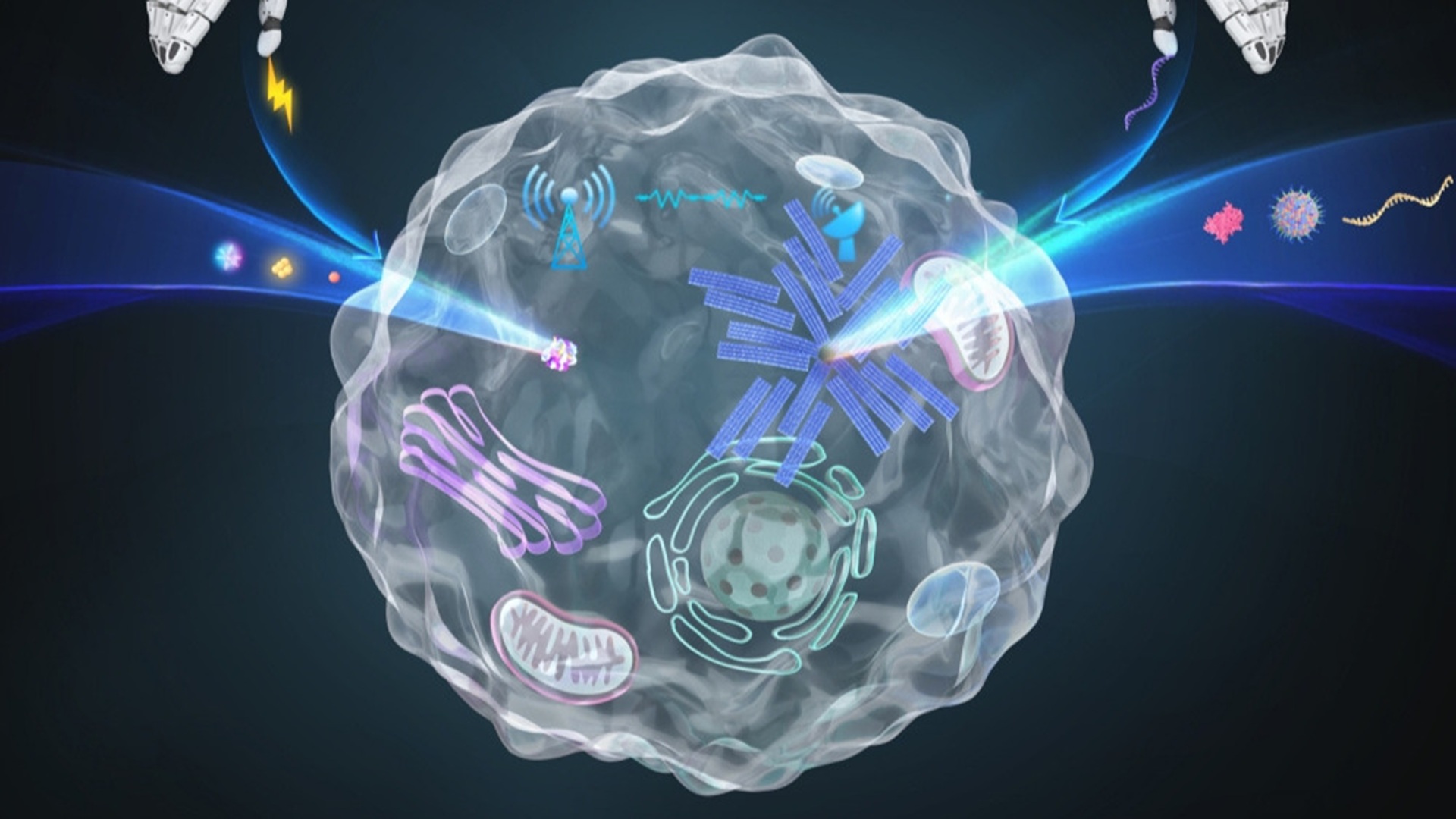
University of Stuttgart researchers built lipid vesicles with a minimal protein system that can trigger shape changes and division-like fission.
The system recreates core cell-division mechanics in a stripped-down synthetic setup, drawing on proteins linked to bacterial division such as FtsZ.
The vesicles still cannot self-replicate or sustain multiple generations without extra components.
The advance brings synthetic cells closer to potential drug-delivery applications and to understanding how life-like organization could emerge.