
JWST maps the weather on a hot gas giant 700 light-years away
TL;DR AI
2 min readKey summary
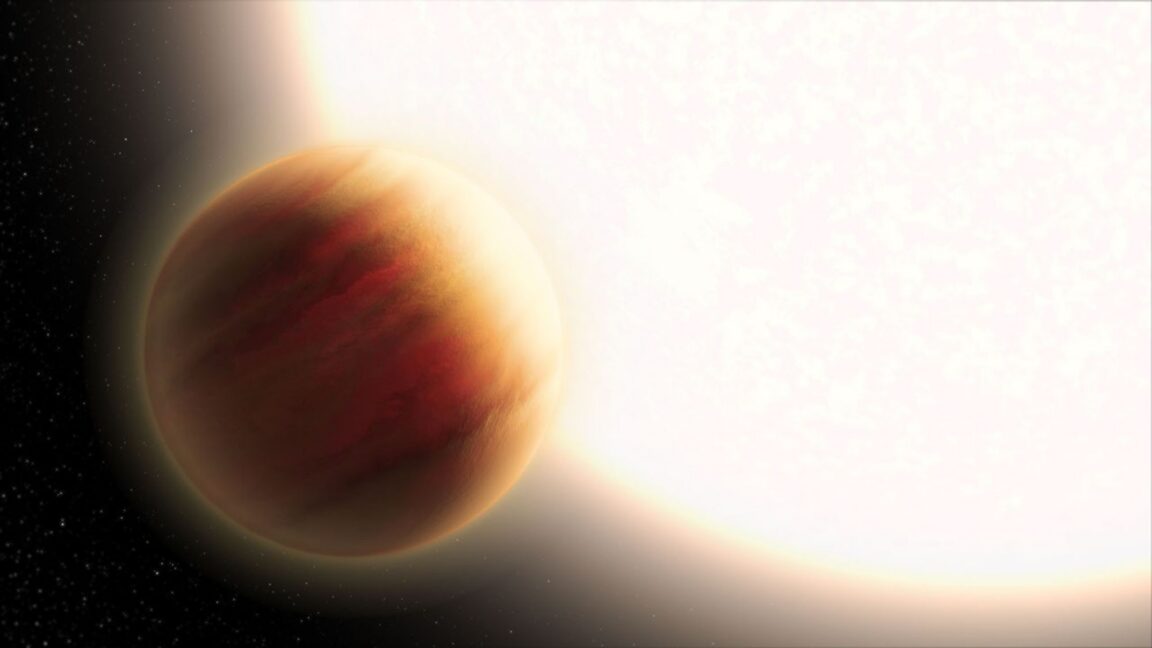
JWST used limb-resolved spectroscopy to separate WASP-94A b’s morning and evening sides during transit.
The morning limb appears cloudier and more aerosol-rich, while the evening limb is clearer and richer in water vapor.
The result shows this hot Jupiter has sharply different weather patterns around the planet.
It suggests standard averaged atmosphere measurements can miss important chemical and meteorological variation.