
A Piece of Moss Helped Investigators Prosecute a Grave-Robbing Ring
TL;DR AI
2 min readKey summary
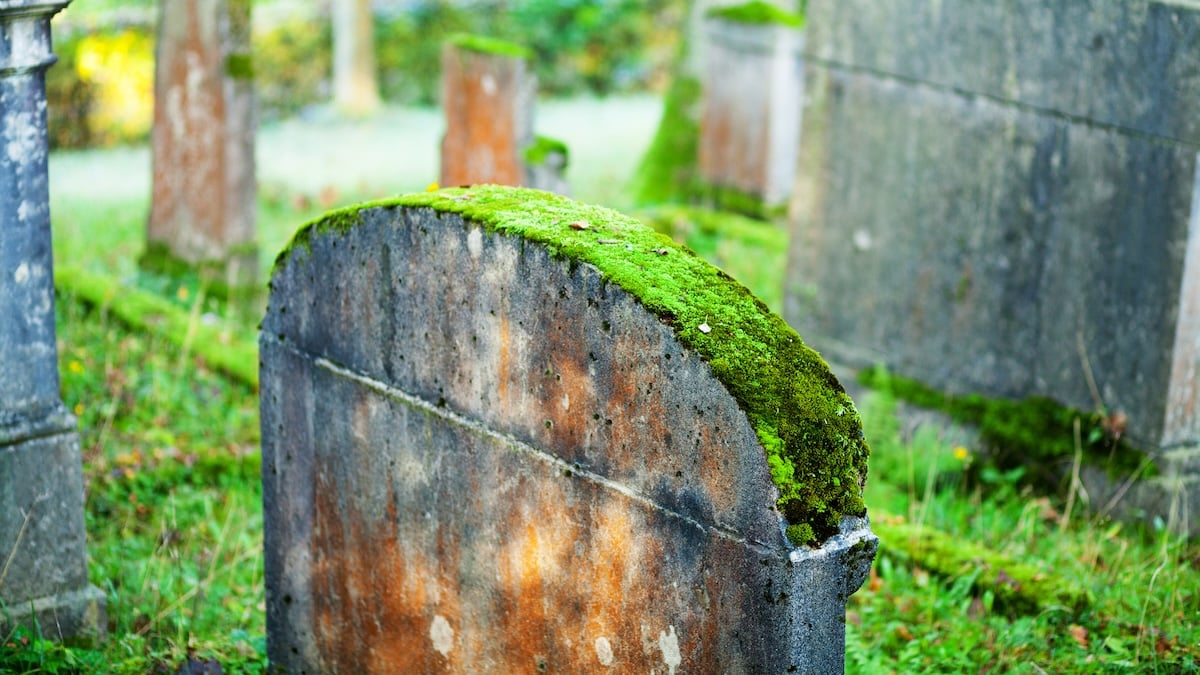
Investigators used a moss sample to link two disturbed sites at Burr Oak Cemetery and help prosecute grave-robbing.
Botanists identified the sample as Fissidens taxifolius and matched it to a colony at the suspected origin site.
Researchers measured chlorophyll degradation to date the moss and found it was one to two years old, contradicting the defendants' timeline.
The case contributed to convictions in 2015 and was documented in a 2025 scientific account highlighting forensic plant evidence.