
Earth's Biggest Mass Extinction Reveals Chilling Parallels to Today's World
TL;DR AI
2 min readKey summary
Stanford-led researchers compared 38 marine species and found Paleozoic fauna were generally more vulnerable than modern fauna to warm water and low oxygen.
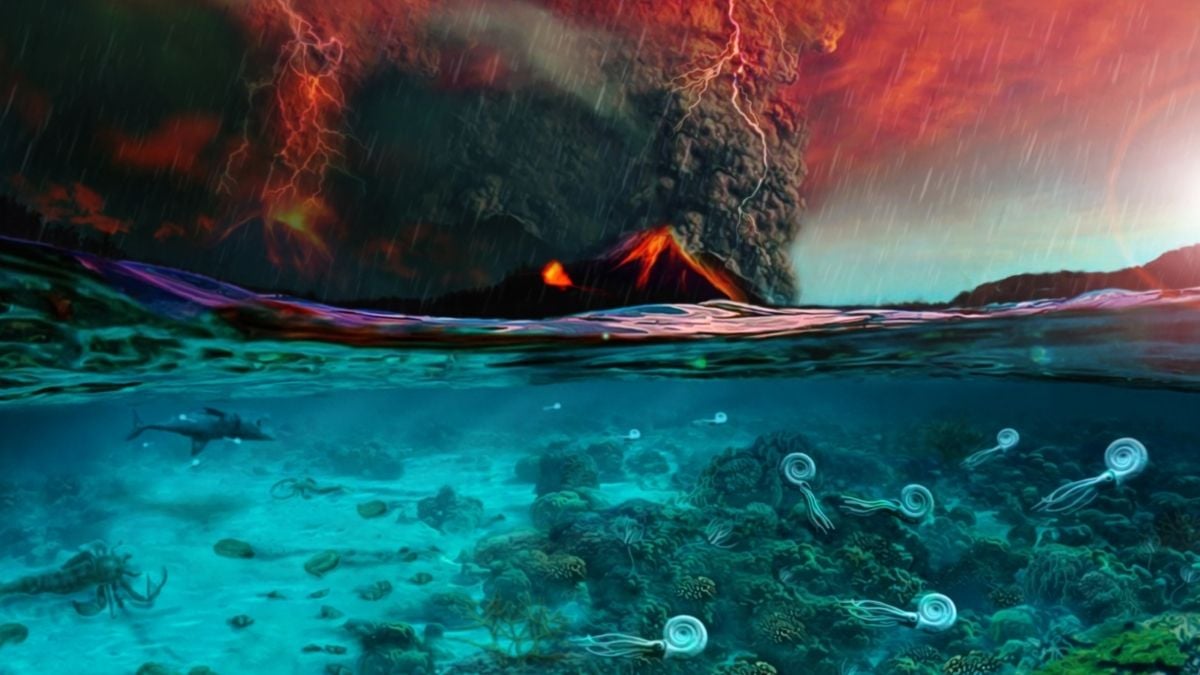
The findings support a link between the Permian-Triassic Great Dying and rapid ocean heating plus hypoxia driven by greenhouse-gas warming.
The study suggests these heat and oxygen stresses helped wipe out many dominant seafloor animals, though other factors may also have played a role.
It also serves as a warning that today’s ocean warming and deoxygenation could disproportionately threaten species with similar physiological limits.