
US plasma breakthrough resolves decades-old heat load mystery in nuclear fusion reactors
TL;DR AI
2 min readKey summary
Princeton Plasma Physics Laboratory researchers found plasma core rotation controls where particles strike the divertor in tokamaks.
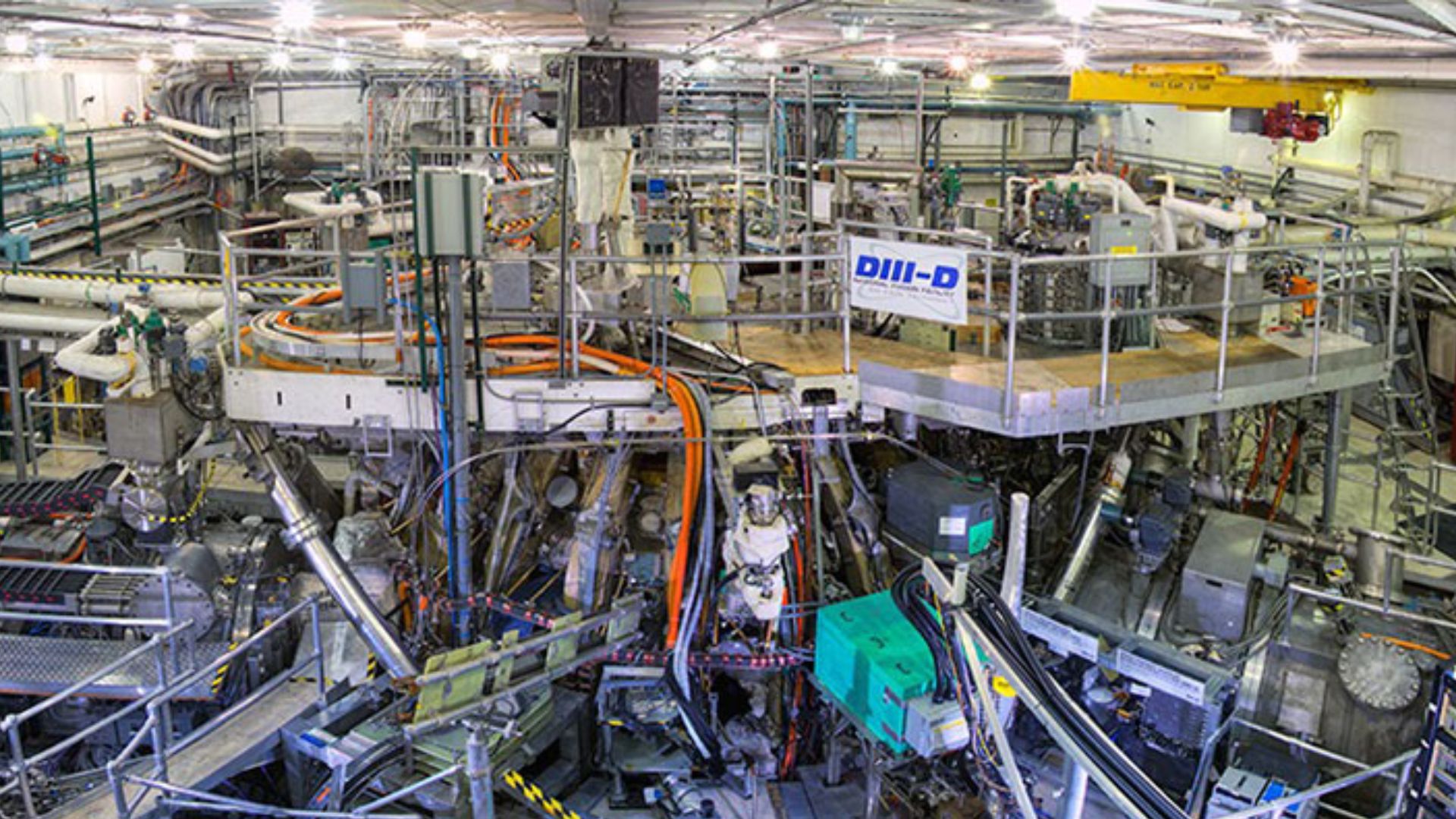
Simulations using SOLPS-ITER matched DIII-D experimental asymmetry only when a core rotation of 88.4 km/s was included.
The study shows parallel flow from toroidal rotation and cross-field drifts together produce the observed heat-load asymmetry.
Accounting for core rotation lets simulations reliably predict exhaust patterns and supports divertor design for future fusion plants.